



Donate to Disaster Relief with Confidence
By January 22, 2025 Fraud information
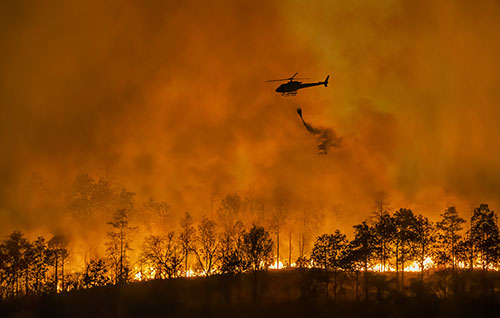
As California grapples with the devastating impact of wildfires, communities around the world are stepping up to support relief efforts. While the generosity is outstanding, it’s essential to ensure your donations truly help those in need and don’t fall into the hands of fraudsters. Scammers often exploit crises to prey on compassionate donors. Here’s a guide to safely donating and making a real difference.
1. Choose Reputable Organizations
Stick to well-known, established charities that have a proven track record in disaster relief. Organizations like the American Red Cross, Direct Relief, or local fire relief funds often have the infrastructure to provide timely and effective aid. Check a charity’s credentials on platforms like Charity Navigator, GuideStar, or the Better Business Bureau’s Wise Giving Alliance.
2. Beware of High-Pressure Appeals
Fraudulent schemes often involve urgent-sounding messages designed to pressure you into giving immediately. Authentic organizations will provide detailed information about their efforts and will not force you to donate on the spot. Take your time to research before making a commitment.
3. Verify Donation Requests
Be cautious of unsolicited emails, phone calls, or social media messages asking for donations. Scammers often mimic the branding of legitimate charities. If you receive a request, go directly to the organization’s official website or contact them to confirm its authenticity.
4. Avoid Cash Donations
Opt for secure payment methods like credit cards or checks made out to the organization, rather than giving cash. Digital payments through verified platforms are also an option, but ensure you’re using a secure and official website or app.
5. Be Cautious with Crowdfunding
While crowdfunding campaigns can be an effective way to support individuals or families affected by wildfires, they’re also more susceptible to fraud. If you choose to donate through platforms like GoFundMe, look for verified campaigns or those organized by people you know personally.
6. Check for Tax-Exempt Status
If you’re hoping to claim a tax deduction for your donation, ensure the organization is a registered 501(c)(3) nonprofit. You can verify this status through the IRS’s Tax Exempt Organization Search tool.
7. Review How Funds Are Used
Reputable charities provide transparency about how they allocate donations. Check their website or annual reports for information on what percentage of contributions go directly to programs and services versus administrative costs.
8. Report Suspected Scams
If you come across a suspicious donation request or organization, report it to the Federal Trade Commission (FTC) at ReportFraud.ftc.gov. You can also notify your state’s attorney general’s office or the National Center for Disaster Fraud (NCDF).
9. Spread Awareness
Educate friends and family about the importance of safe giving practices. Sharing information about fraud prevention helps protect others from falling victim to scams.
Your donations can make a significant impact on the lives of those affected by California’s wildfires. By taking the time to research and verify before giving, you can ensure your contribution reaches the right hands. Together, we can support recovery efforts and rebuild communities with integrity and care.
Warning: You Are Leaving This Site.
You are leaving the Topside Federal Credit Union website.
You are being directed to a third-party website.
This link is provided for your convenience. Please note that this third-party website is not controlled by Topside Federal Credit Union or subject to our privacy policy.
Thank you for visiting our site. We hope your visit was informative and enjoyable.
You are about to follow a link to [Link]. To proceed, click 'Continue' below. To remain on this site, click 'Cancel' below.