



Fraud Alert: How to Recognize and Avoid Scammers Posing as Your Credit Union (or Bank)
By July 23, 2025 Fraud information
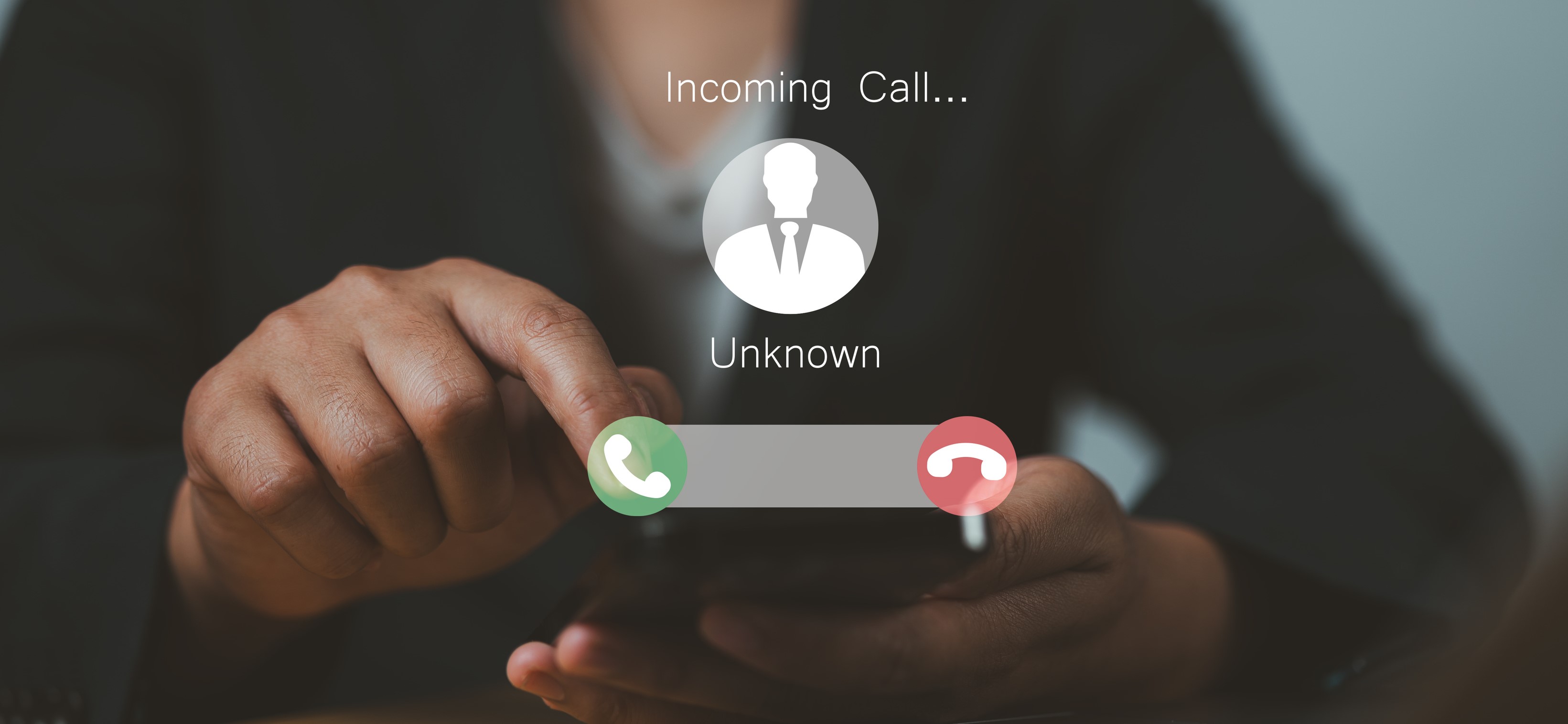
Don’t Fall for the Scam: Protect Yourself from Fraudulent Calls Claiming to Be from Your Financial Institution.
Scammers are always looking for new ways to trick you into giving them sensitive information. One of the more common tactics is calling you and pretending to be from your bank or credit union’s fraud department. These criminals claim that there’s an issue with your account and ask you to verify your Social Security Number (SSN) or card numbers. While it may sound convincing, these calls are nothing more than a trick to steal your personal information.
Here’s how you can spot the scam and protect yourself from falling victim to it.
How the Scam Works
Typically, scammers will call you and claim to be from your financial institution’s fraud department. They might say that there’s suspicious activity on your account, such as a large charge or an attempted transaction, and that they need to verify your identity. The scammer will ask for personal details like your SSN, credit card numbers, and even PINs or passwords.
WE WILL NEVER CALL ASKING YOU FOR YOUR FULL SOCIAL SECURITY NUMBER, FULL CARD NUMBER, PIN, ONLINE BANKING USERNAMES/PASSWORDS, OR ONLINE BANKING SECURE ACCESS CODES. THE ONLY TIME WE MAY ASK FOR AN ACCESS CODE IS WHEN YOU INITIATAE THE CALL WITH US AND WE NEED TO VERIFY YOUR IDENTITY, BUT WE WILL NEVER CALL YOU ASKING FOR IT.
WHEN IN DOUBT, CALL US AT 540-663-2181.
They often try to create a sense of urgency by saying that the problem needs to be addressed immediately to prevent further fraud. The goal is to pressure you into giving up the sensitive information they need to commit fraud.
Red Flags to Watch Out For
Unsolicited Calls: If you receive a call out of the blue, especially claiming there’s an issue with your account, be suspicious. Financial institutions typically won’t initiate contact by phone about sensitive matters without you first making contact.
Request for Personal Information: Legitimate institutions never ask for your SSN, PIN, or full card number over the phone, email, or text. If they do, it’s a red flag that it’s a scam.
Pressure Tactics: Scammers love to create a sense of urgency. If someone is pressuring you to act quickly or threatening consequences for not verifying your information right away, hang up.
Strange Caller ID: Scammers may spoof a legitimate phone number to make it look like it’s from your financial institution. Just because a call seems to come from a trusted source doesn’t mean it’s legit.
What You Should Do
Hang Up and Call Back: If you get a call from someone claiming to be from your bank or credit union, hang up and call the official number from their website or your account statement. This ensures you’re speaking directly with your institution.
Don’t Share Personal Info: Never share your SSN, card numbers, PINs, or passwords over the phone unless you are certain you are speaking with a legitimate representative of your financial institution.
Look for Fraud Alerts: If your bank or credit union truly detects suspicious activity, they will send you official alerts through secure channels like their app, website, or a verified email address. Check these notifications directly by logging into your account.
Report Suspicious Calls: If you think you’ve been targeted by a scam, report it immediately to your financial institution. They can help you monitor your accounts for fraudulent activity and take steps to protect you. You can also report the call to the Federal Trade Commission (FTC).
Stay Safe with These Simple Tips
It’s always better to be cautious than sorry. If you ever feel uncertain about a call, email, or text message asking for personal information, don’t hesitate to double-check with your financial institution. It’s the best way to ensure your information stays secure.
By staying vigilant, you can protect yourself from these scams and keep your personal information safe.
Warning: You Are Leaving This Site.
You are leaving the Topside Federal Credit Union website.
You are being directed to a third-party website.
This link is provided for your convenience. Please note that this third-party website is not controlled by Topside Federal Credit Union or subject to our privacy policy.
Thank you for visiting our site. We hope your visit was informative and enjoyable.
You are about to follow a link to [Link]. To proceed, click 'Continue' below. To remain on this site, click 'Cancel' below.