



Scammers Are Texting You About Your Transactions—Here’s What You Need to Know:
By July 23, 2025 Fraud information
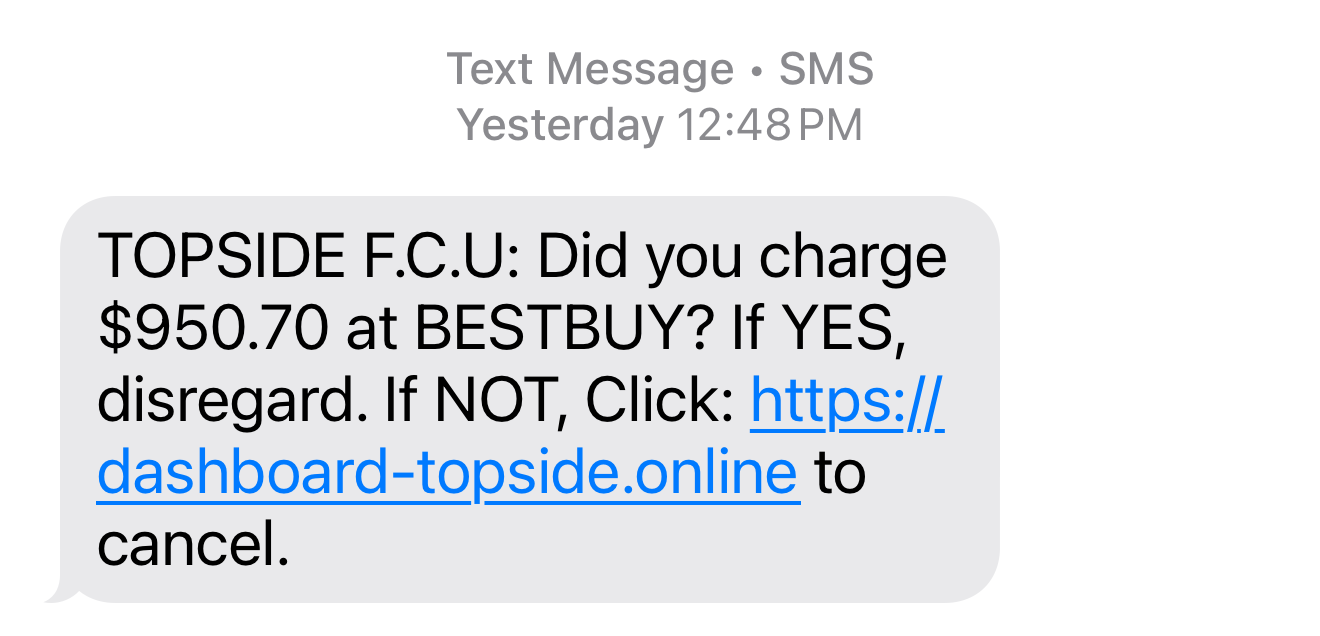
Beware of Fraudulent Transaction Scams via Text Messages!
Fraudulent text message scams are on the rise, with scammers using SMS to trick you into sharing sensitive information or authorizing unauthorized transactions. These scams can look incredibly convincing, and it’s important to stay alert so you don’t fall victim to them.
How Fraudulent Transaction Text Scams Work
Fraudsters often send fake text messages that appear to come from a legitimate source, such as your bank, credit card company, or online retailer. They’ll typically claim that there’s an issue with your account or a suspicious transaction, and they’ll urge you to “verify” the transaction by clicking a link or replying with personal details.
Some of the most common fraudulent transaction scams via text include:
Fake Payment Confirmations: You might receive a text claiming that a large purchase has been made on your credit card or bank account. The scammer will include a link to dispute the charge or “confirm” the transaction, leading you to a fake website designed to steal your login credentials.
Account Lock Alerts: Scammers may send a text saying your account has been locked or flagged for suspicious activity. They’ll ask you to click on a link to “unlock” it, which will direct you to a phishing site designed to steal your sensitive information.
Fake Prize or Refund Claims: You may receive a text saying you've won a prize or are eligible for a refund. To claim your winnings, they’ll ask for personal information or request that you confirm a payment method to process the refund.
Red Flags to Watch Out For
Urgency: Fraudulent texts often create a sense of urgency, saying things like “Immediate action required” or “Your account has been compromised.” Legitimate businesses won’t pressure you into making quick decisions.
Unfamiliar Links: If the text contains a link, be cautious before clicking. Hover over the link (on your computer) to check if the website looks legitimate. If it seems off, don’t click.
Unusual Phone Numbers: Fraudulent texts may come from phone numbers that aren’t associated with a legitimate business or financial institution. Pay attention to the sender’s number—financial institutions typically use short codes, not random phone numbers.
Requests for Personal Information: Legitimate companies will never ask for sensitive information like your Social Security Number (SSN), account numbers, or PINs via text.
How to Protect Yourself
Don’t Click on Links: Never click on links in unsolicited text messages. Instead, go directly to the website of the company mentioned in the message to verify any claims.
Verify the Source: If you receive a suspicious text from your bank or a service provider, don’t respond. Instead, call their customer service line directly (using a number from their website or official correspondence).
Enable Text Message Alerts: Many banks and financial institutions offer fraud alerts. Make sure you’ve signed up for text message notifications to help you monitor any unexpected transactions or changes to your account.
Report Suspicious Messages: If you receive a fraudulent text, report it to your financial institution or service provider. You can also forward scam texts to the Federal Trade Commission (FTC) at 7726 (SPAM), which helps them track and investigate these scams.
What to Do If You’ve Fallen for a Scam
If you’ve clicked on a fraudulent link or provided personal details in response to a scam text, contact your financial institution immediately. They can help you secure your account and start the process of reversing any unauthorized transactions.
Staying vigilant and cautious is your best defense against fraudulent transaction text scams. Always double-check any unexpected messages, and if you have any doubts, reach out to the company directly using trusted contact information.
Warning: You Are Leaving This Site.
You are leaving the Topside Federal Credit Union website.
You are being directed to a third-party website.
This link is provided for your convenience. Please note that this third-party website is not controlled by Topside Federal Credit Union or subject to our privacy policy.
Thank you for visiting our site. We hope your visit was informative and enjoyable.
You are about to follow a link to [Link]. To proceed, click 'Continue' below. To remain on this site, click 'Cancel' below.