



How Different Types of Credit Cards Work (Guide)
By August 18, 2023 Credit cards

Are you thinking about getting a credit card for the first time? Have you had one for years but are wondering if you could benefit from a different type of card? You’re in the right place! Let’s take a deep dive into how a credit card works, why it’s smart to start using one sooner rather than later, and then look at the different types of credit cards available and which one might be right for you.
Want to skip ahead? Use the links below to explore the credit card topics we cover in this blog.
- Credit Card 101
- Advantages of Credit Cards
- Disadvantages of Credit Cards
- Types of Credit Cards
- Cash Back Credit Cards
- How to Apply for a Credit Card
Card Smarts: Starting Your Credit Journey Right
Cash is flash, but a credit card puts you on the path to real financial independence with instant access to money as you need it, generous rewards and perks, and powerful online tools to track and manage your spending and secure your personal data.
Best of all, a credit card allows you to start building the credit you’ll need to get ahead in life, making it easier to tap into more affordable funding for student loans, a new car, and, one day, maybe even a house!
It all starts with a credit card. If you’re interested in learning about how to get a credit card for the first time and how different credit cards work, read on to learn more.
Credit Card 101
First up, let’s look at how credit cards work, and how they differ from financial tools you already use, like debit cards or peer-to-peer payment apps. A credit card is different because it gives you the ability to borrow money as you need it and to pay it back as and when you get paid.
Access to this on-tap revolving credit is incredibly valuable. It allows you to buy the things you need on your schedule, rather than having to save up the money first and pay back what you spend over time. However, it’s up to you to use your card responsibly to make sure you do not spend more than you can afford and to pay back what you owe on time.
Your Credit Card Balance
This is the total amount you have spent on your card at any given time, or, in other words, the amount you have borrowed from the credit union, bank, or merchant who issued your card. This is the total you will need to repay. When you choose to do so is largely up to you, but you will be charged interest for the privilege of delaying payment.
Your monthly credit card statement will detail your spending and include this balance, as well as your minimum monthly payment. This is the smallest amount you are required to pay each month without incurring fees or fines. Any remaining unpaid balance is carried over to the total to be paid the next month.
Annual Percentage Rate (APR)
This is the interest rate that you are charged on the outstanding balance in your credit card account each month. This is the annualized rate at which interest is applied to your daily outstanding balance. The APR you are charged depends on a number of factors including:
- The type of card you have
- Your own credit history
- Your income and your debt-to-income and credit utilization ratios
Credit Limits and Utilization
Your card also comes with a credit limit – or the total amount you can borrow. This may seem very high, but you should ideally never be using more than a fraction of this. Your card issuer will closely monitor how much of this total you use. This is called your credit utilization rate.
Credit History
Card issuers keep close tabs on your ability to repay what you owe on your card. This is called your credit history. It is used to generate a credit score that lenders use as a measure of how likely you are to repay it. It is an important factor in determining the APR you are charged on your credit cards and the credit limits you can qualify for.
That’s the basics of how credit cards work. Now let’s take a look at some of the wider benefits that credit cards offer, as well as some of their potential downsides.
Advantages of Credit Cards
Credit cards have revolutionized the modern economy by making cheap, instant credit accessible to almost everyone.
1. Convenience and Flexibility
Credit cards are accepted almost everywhere and processed almost instantly, providing a convenient, easy-to-track source of short-term funding. This gives you the freedom and confidence to invest in the things you need without worrying about temporarily running out of funds, knowing you can pay off your balance as you see fit.
2. Building Credit History
Credit cards allow you to quickly build a strong credit history. On-time payments and sensible management of your balance will go a long way to building good credit, which will help you qualify for lower APRs when you take out credit cards or borrow money directly in the future.
3. Rewards and Cash Back
Card issuers offer their users valuable incentives to use their cards more, including rewards and cash back. You earn rewards points when you use your card which can be exchanged for all kinds of goods and services. Cash back programs return a portion of what you have spent on your card in the form of actual cash deposited back into your account.
4. Fraud Protection
The ease of use and popularity of credit cards make them a natural target for thieves and fraudsters. Card issuers have responded with security measures that make credit cards among the safest ways to pay for goods and services. At Topside, our credit cards offer zero liability, which means you will almost never be held responsible for genuine criminal misuse of your card by someone else.
Disadvantages of Credit Cards
At the same time, it’s important to be aware of the potential drawbacks of credit cards, compared with other forms of payment like debit cards, direct debits, and cash.
1. Interest
All this freedom and flexibility comes at a price. Interest charges on credit cards are often significantly higher than other forms of borrowing; however, Topside’s Visa and Visa Preferred rates often compete with their low rate personal loans. Paying off your entire balance every month means you are effectively borrowing money for free, but making only minimum payments and adding to your balance every month will quickly attract hefty interest add-ons.
2. Fees
Credit cards also come with a range of fees that can come as a surprise if you are not aware of them. While many cards charge no monthly or annual fee, fully featured cards with the best rates and rewards will usually charge you a fee every month to keep them in your pocket. At some financial institutions, you can still enjoy great features on your credit card with no monthly fees. For example, Topside’s Visa with Cash Back card has no monthly fee.
Cards also commonly charge fees for cash advances, using your card overseas, or replacing lost or stolen cards. However, the charge to really watch out for is late fees for not paying your bill on time. These add up fast and can also inflict lasting damage on your credit history.
3. Debt
Unfortunately, credit cards also make it very easy to build up unsustainable debt with high APRs, low minimum payments, and overly generous credit limits. Failing to pay off your card each month can quickly saddle you with debts that you might never be able to pay off.
In fact, people have become so dependent on the easy funding provided by credit cards that the credit bureau TransUnion estimates the average American now carries $5,474 in card debt.
Using a credit card wisely requires organization and discipline. As a first-time card user, it is up to you to understand the terms and conditions of your card and learn how to manage it in a way that benefits you in the long term.
It helps to work with a reputable lender who understands your needs. As a local community lender, Topside Federal Credit Union has been helping service members and other young people in the King George and Fredericksburg areas get access to safe, affordable credit products for decades. We’ll help you get all the benefits of a quality credit card without any unwanted surprises.
Ready to explore our different credit card options?
Types of Credit Cards

Not all credit cards are the same and some card types will suit some users better than others. Let’s take a look at some important factors to bear in mind as you begin shopping for your first card or feel ready to add a new card to your wallet.
Secured vs. Unsecured Cards
Most credit cards are a form of unsecured debt. That means the card issuer is offering to lend you money without requiring anything from you as a guarantee that you will pay what you owe.
In secured forms of debt, such as a car or home loan, the loan is guaranteed by the car or property itself, and the issuer has the right to take control of these if you cannot pay back your loan.
How do credit cards work without such guarantees? Without security, it’s difficult for credit card issuers to recover what they have lent you if you stop making payments.
For this reason, credit card issuers protect themselves against the risk that you will not be able to pay back the full amount you owe by charging higher interest rates and assessing hefty fees if you miss a payment due date. They will also look carefully at your credit history to consider what APR to offer and what credit limit to impose when issuing you a card.
Escaping the No Credit Trap
How does a credit card work if you have no credit history? Usually, first-time credit card users will have little or no established credit record and are therefore considered high-risk borrowers.
This can make it hard to get approved for your first credit card, and, even if approved, you are more likely to be offered a higher APR and a relatively low credit limit. It also puts young people in the position of being unable to build credit because they do not yet have credit.
This can be a particularly difficult obstacle to overcome because having a card application denied can damage your credit score before you have even started to build it.
How Secured Credit Cards Work
Secured credit cards, such as Topside Federal Credit Union’s Credit Builder Credit Card, offer a good solution for young people looking to access a credit card and begin building a credit history. Secured cards require you to make a cash deposit to be able to open a credit card.
While paying cash in order to access credit may not seem like a great deal, it is a good way to learn how to control your spending if you’re just starting to build up the credit record you will need to be able to borrow more in the future.
Let’s have a look at how secured and unsecured credit cards stack up in other ways.
Credit Limit
With a secured card, your deposit usually becomes your credit limit. While this is likely going to be lower than what you would get with most unsecured cards, you should not be looking to use more than 30% of your credit limit while you look to build your initial credit history.
Rates
With a secured card you’ll almost certainly get a better APR than you would be able to access through an unsecured card. That makes short-term borrowing to cover everyday expenses more accessible and affordable at this early stage in your career.
Rewards
Rewards vary for secured credit cards. In many cases, you might not have access to the perks available on fancier (and more expensive) unsecured cards. At this point, focusing on paying your bill on time and establishing good credit will allow you to qualify for better benefits in the future.
Getting Approved
It’s easier to get approved for a secured card no matter your personal situation or credit history because your deposit significantly lowers the risk for lenders.
That’s good if…
- You are just starting out
- You’re a service member
- You’re not fully employed
- You’re looking to recover from a financial setback
Risks
Of course, secured cards come with the risk that you may lose your deposit if you are unable to pay back your balance. Using your card to the limit or missing monthly payments will also damage your credit, just as they would with an unsecured card.
View Our Credit Builder Credit Card
Cash Back Cards
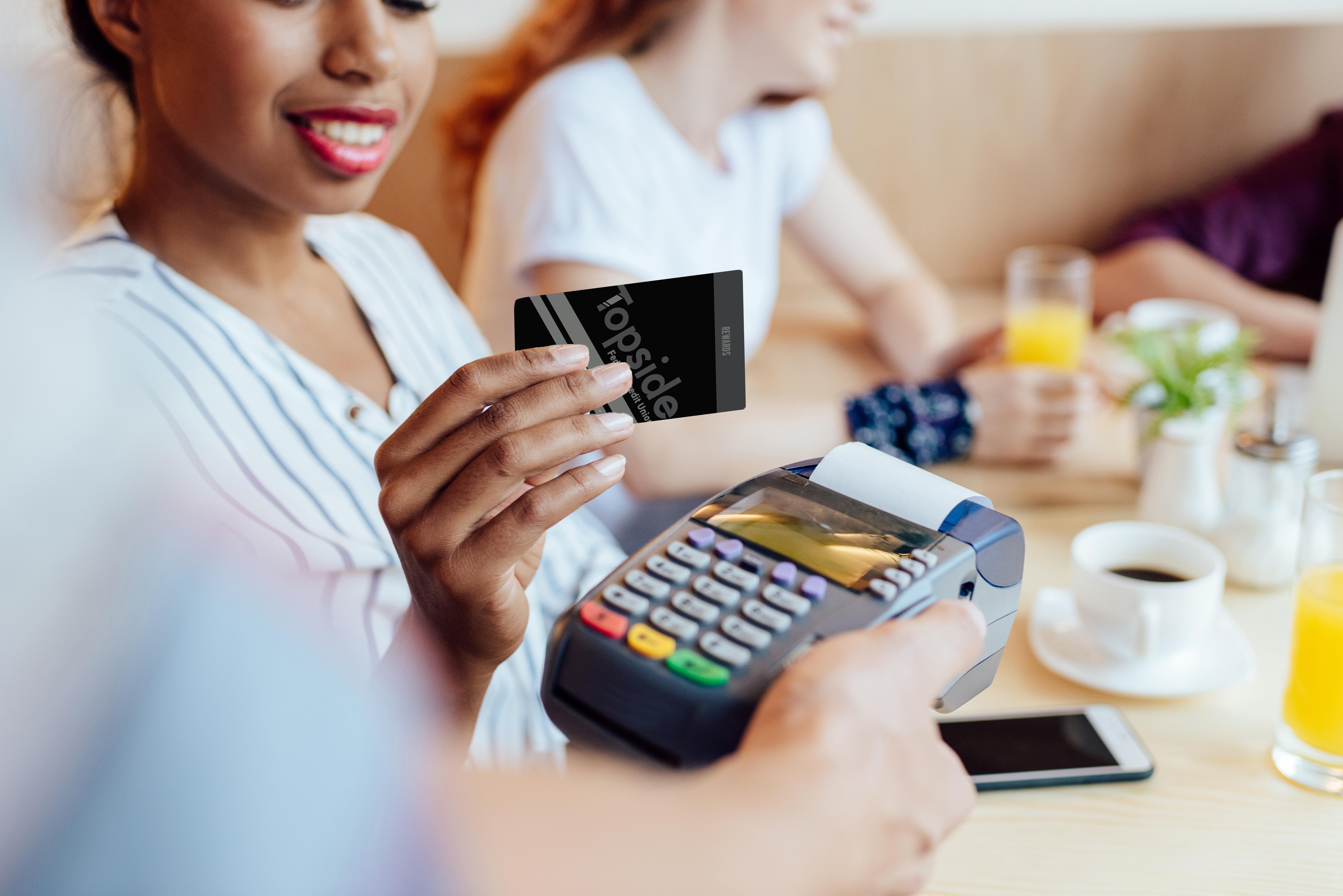
Many young people applying for a first card might also be tempted by the cash back offered by many issuers to reward cardholders for using their cards.
Cash back, points, and other rewards can be valuable if you use your credit card regularly and for the right purchases, but the benefits can sometimes be offset by a higher APR or more fees on your card. Let’s take a closer look.
How Does Cash Back Work?
Cash back rewards credit cards are designed to encourage you to use your card more often and in particular ways.
Cash back works in a couple of different ways: you will generally earn a fixed number of points for a purchase or a percentage of the amount you spent back as actual cash. These benefits can be awarded:
- At a flat rate across all categories
- For spending in certain categories, such as on groceries, gas, or airline travel
- For spending during temporary offers on certain categories or at particular merchants
Reward points accumulate and are usually assigned every month or sometimes every quarter. They are usually reflected on your card statement. Cash rewards are usually paid back into your card account at the end of the month or quarter, although you may be able to opt to have these deposited into a checking account or mailed to you as a check.
How Do You Redeem Rewards Points?
Rewards points usually need to be redeemed by registering on a rewards program website like uChoose Rewards, which is what Topside uses for its debit card rewards. Here you should see your reward points tally. You should also be able to exchange your reward points for a wide range of goods and services at a set exchange rate.
Cash rewards, on the other hand, often go straight toward your card balance and can be used for anything you wish. In some cases, you can redeem your cash rewards using digital banking and deposit it on an account of your choice.
How to Make the Most of Your Points?
Cash back and rewards points work best when they match well with the way you plan to use your card. If you already spend a significant amount on clothing or gas, then choosing a card that offers rewards points for purchases at your favorite merchant or whenever you fill up makes sense.
Some rewards cards also offer a significant sign-up bonus like a temporary 1% APR if you spend more than a certain amount in the first few months of owning your card. This can be a good way of funding a major purchase if your credit is good enough to qualify for these cards, but be careful about saddling yourself long-term with a card that does not meet your needs.
As someone just starting out on your financial journey, you may not have well-established spending patterns. For your first card, it might make sense to opt for one that rewards spending with what you really need right now: cash in your pocket.
Are Rewards Cards Worth It?
Credit card cash back, points, and sign-up bonuses offer valuable savings if you put in the work to get the right card and target your spending to maximize your rewards. Be cautious, however, that all these bells and whistles do not come at a hidden price.
You will normally need good to excellent credit to qualify for a rewards card. And cards with especially generous rewards often also come with a higher APR, a hefty annual fee, or charges on cash withdrawals or stop payments. Even a slightly higher APR can end up costing you more than you are ever likely to accumulate in points.
Rewards-focused cards might also be harder to qualify for, requiring a higher credit score or income, and will likely charge a higher APR if you do qualify. If rewards are important to you, then it’s important to do your homework to find a card that balances rewards with an affordable rate and fee structure.
Topside Federal Credit Union’s Rewards Visa offers 1.5 points per $1 spent, which you can redeem for cash back through online banking. You’ll get our trademark competitive non-variable APRs, a generous credit line, and no annual fee or default charges if you happen to miss a payment. That’s a great all-around card and rewards you can really use!
How to Apply for a Credit Card
Are you ready to start your credit journey? Here are some key steps to consider as you apply for your first credit card.
1. Check Your Credit Score
Legally, credit scores are only assigned to people over 18 years of age, but you might find a score attached to your name already if your identity has been stolen in the past.
If you’re over 18 you can check your credit score at any free sites online or by contacting one of the three major credit bureaus (Experian, TransUnion, and Equifax). Scores are assigned according to either the FICO or VantageScores rating systems.
2. Get Prequalified
If you do have a credit score, you can begin to assess the kind of cards you are likely to qualify for by getting prequalified. You can do this by contacting your local credit union or by visiting the websites of major card-issuing banks. The issuer will then run a “soft” check of your credit report, which does not affect your credit score, and get back to you with some options.
3. Consider “Starter Card” Options
If you are unable to prequalify for a card because you have little or no credit history, you have a couple of options:
- Find out if you are eligible for student credit cards provided through your college
- Find out if you can qualify for store-specific credit cards
- Ask a parent or guardian to add you temporarily as an authorized user of one of their credit cards
- Consider a secured credit card
While these cards usually lack the features of major unsecured credit cards, they provide much of the convenience of on-tap credit while allowing you to start building your credit history.
4. Only Apply for Cards You Can Qualify For
Even if you are able to prequalify for several cards, be very cautious about the cards you choose to apply for. A denied application can damage your credit before you have a chance to improve it.
You can do this by checking on a card’s credit score requirements, either directly in the issuer's online terms and conditions or by researching the card online.
You should be able to determine either a specific score range or whether it is targeted at users with credit in the following FICO scoring ranges:
5. Watch Out For Fees
Before applying for a card, read the terms and conditions carefully to identify any fees you are likely to be charged. Many issuers now offer cards with no monthly or annual fees, but many charge high fees for cash advances, international use, card replacement, stop orders, and payment defaults.
At Topside Federal Credit Union, we charge no annual fee or over-the-limit fee on any of our Visa credit cards. We also charge a low or zero-default rate if you should happen to miss a payment.
6. Look For Low, Non-Variable APRs
Finally, it’s hard to overstate the importance of interest rates as you shop for cards. The better your credit, the better your options, but even a slightly lower APR will make a big difference to your payments over time.
Your card issuer also makes a difference. While big commercial banks put profit first, community-owned lenders like local credit unions are owned by their members. With lower costs and no shareholders, they’re often better placed to offer better rates and terms on their cards.
For example, Topside Federal Credit Union offers our trademark non-variable rates on all our Visa credit cards. That means the rate you’re offered is the rate you will pay, with no surprises down the line.
Your Journey Starts With the Right Card
At Topside Federal Credit Union, we know how important accessing reliable, affordable credit is to your financial journey. We are here to help you get started with personal service, expert advice, and an unbeatable range of quality Visa credit cards to suit your own unique needs.
Our cards all feature:
- Low, non-variable rates
- No annual or over-the-limit fees
- Zero-liability fraud protection
We also know how hard those first few financial steps can be, especially if you are struggling to establish credit. That’s why we created our unique Credit Builder Credit Card.
Designed to help you build the credit you need to achieve your lifetime financial goals, the Credit Builder Credit Card offers a competitive APR and a line of credit secured by deposit funds that continue to grow in your very own Prime Share Savings Account.
If you’re just getting started, the Credit Builder Credit Card is the ideal launchpad for your lifelong credit journey. Click below to see its benefits and low rates.
See Our Credit Builder Credit Cards
Ready to explore other credit card options?
Warning: You Are Leaving This Site.
You are leaving the Topside Federal Credit Union website.
You are being directed to a third-party website.
This link is provided for your convenience. Please note that this third-party website is not controlled by Topside Federal Credit Union or subject to our privacy policy.
Thank you for visiting our site. We hope your visit was informative and enjoyable.
You are about to follow a link to [Link]. To proceed, click 'Continue' below. To remain on this site, click 'Cancel' below.